The open-source stack I'd run a small studio on
Design, projects, CRM, support, e-signatures, recordings and backups. Ten self-hostable tools that replace a stack of monthly SaaS bills.
Every month I save links to tools I want to try. This month a pattern showed up: most of the paid SaaS a small studio runs on now has a serious open-source alternative you can host yourself. Here are the ones I bookmarked, grouped by the job they do.
Design and project work
Penpot is an open-source design and prototyping tool. It runs in the browser, works on open standards (SVG, CSS) and you can self-host it. If you want a Figma-style workflow without being locked into one vendor, start here.
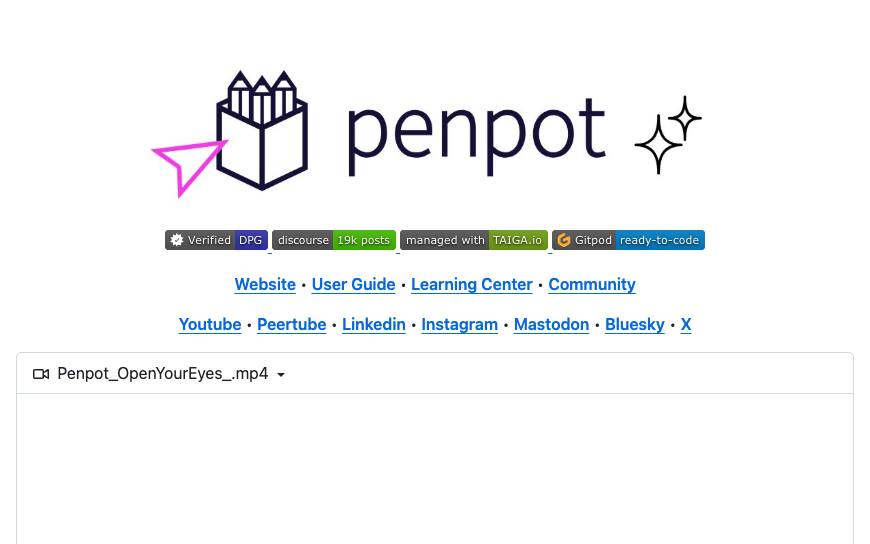
Plane is project management: issues, cycles, modules and views. It covers what most small teams use Jira or Linear for, without the per-seat pricing.
Clients and pipeline
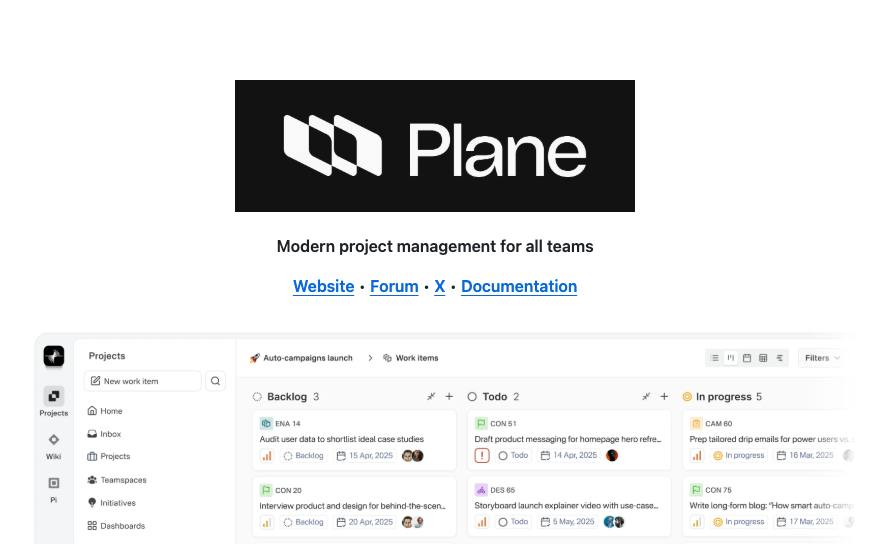
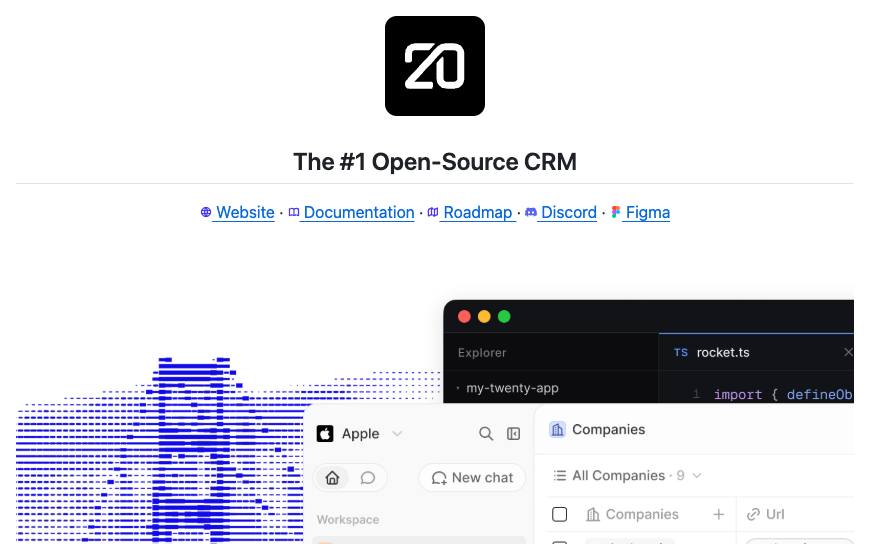
Twenty is a modern open-source CRM. Contacts, companies, opportunities and a pipeline view, with a clean UI that doesn't feel like enterprise software.
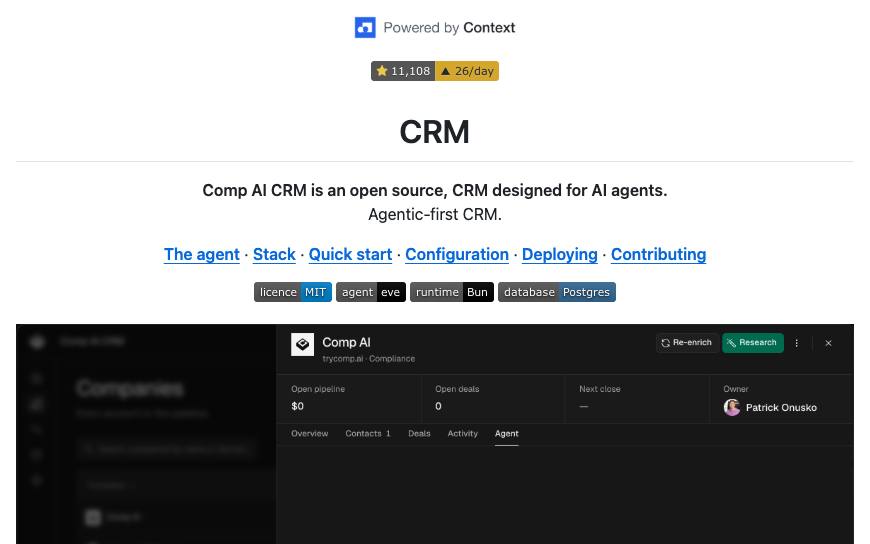
Comp AI CRM takes a different angle: a CRM designed for AI agents first. Worth watching if you want agents updating deals and logging activity instead of people.
Documenso is an open-source DocuSign alternative. Send proposals and contracts for e-signature from your own domain.
Support and communication
Chatwoot gives you a shared customer-support inbox: website live chat, email, WhatsApp and social channels in one place. An Intercom/Zendesk replacement.
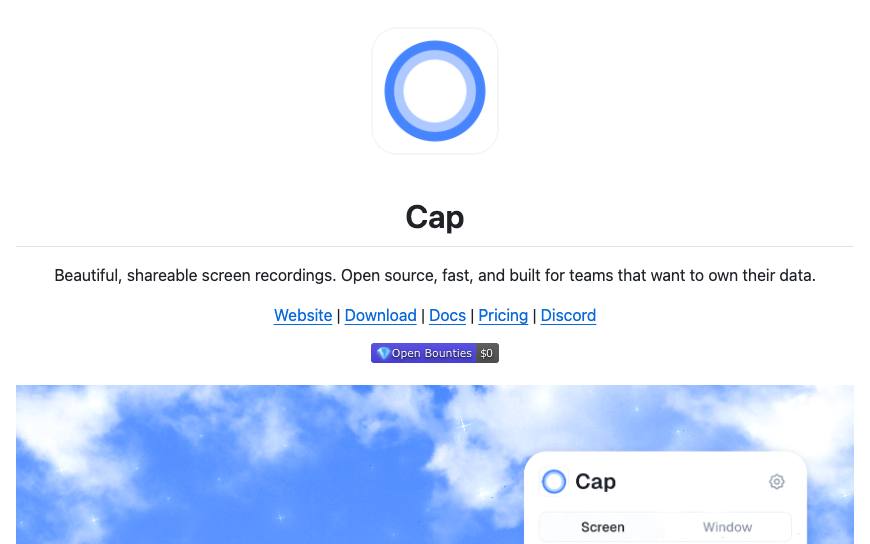
Cap is an open-source Loom alternative for screen recording. Good for async walkthroughs, bug reports and client handovers.
Meetily is a privacy-first meeting assistant. It transcribes meetings live and summarises them, and it runs 100% locally, so client calls never leave your machine.
Harper from Automattic fixes grammar and tightens your writing, offline. Think Grammarly without sending every sentence to a server.
Keeping it safe
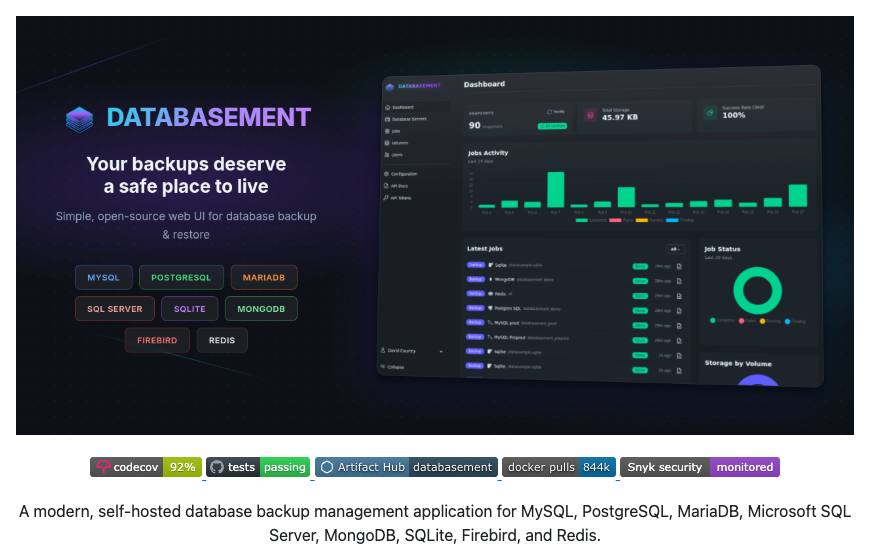
Databasement is a self-hosted database backup manager with a web UI. Schedule, back up and restore MySQL, PostgreSQL, MongoDB, Redis and more to S3 or other storage. The boring tool that saves you on the worst day.
The catch
Self-hosting isn't free. You pay in setup time, updates and backups instead of a subscription. My rule: host it yourself when the data is sensitive (contracts, client calls, customer conversations) or when the per-seat bill grows with the team. For everything else, the hosted versions most of these projects offer are fine.